They say that beauty lies in the eyes of the beholder, but it's actually much deeper than that. Everybody, including me and you, interprets the world differently (including people, concepts, material objects, and the focus of this paper, art). These interpretations are a reflection of and are dependent on a myriad of factors, including the context of a person's culture, upbringing, social standing, gender identity, sexuality, and thus their thought processes. This paper serves to explore how art intersects with Anthropology (the study of changing cultures and societies) and is defined differently by different people and their respective cultures.
Merriam-Webster defines "art" as "a skill acquired by experience, study, or observation," "the conscious use of skill and creative imagination, especially in the production of aesthetic objects," "a skillful plan," and "decorative or illustrative elements in printed matter," among other definitions. Even the world's most reliable dictionary is confused about the meaning of art, and that proves, on the ground level, how subjective art can be. Despite this subjectivity, the field of "art anthropology" offers a unique perspective on the relationship between art and society. By studying the ways in which art is created, consumed, and understood, we can gain a better understanding of the cultural values and beliefs of a society. We can also see how art has the ability to shape and change those values over time. Hence, this paper focuses on the anthropology behind art, which investigates all kinds of material objects that can be considered art (including but not limited to sculptures, paintings, textiles, baskets, pots, weapons, and even the human body) produced around the world, and how they have different symbolic meanings, ideas, rites, rituals, and other depictions associated with them. Anthropologists also believe that the meanings behind artworks are deeply associated with the methods, materials, colors, textures, and artists behind the creation of certain pieces of art. Thus, by examining the ways in which art is created and consumed, we can gain a better understanding of the cultural values and beliefs of a society, and how art can be used to shape and change those values.
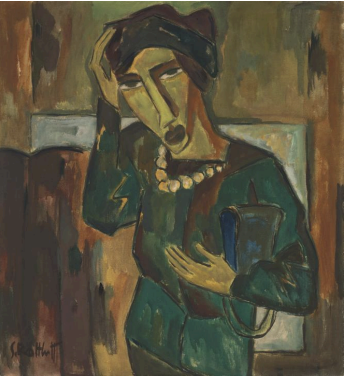
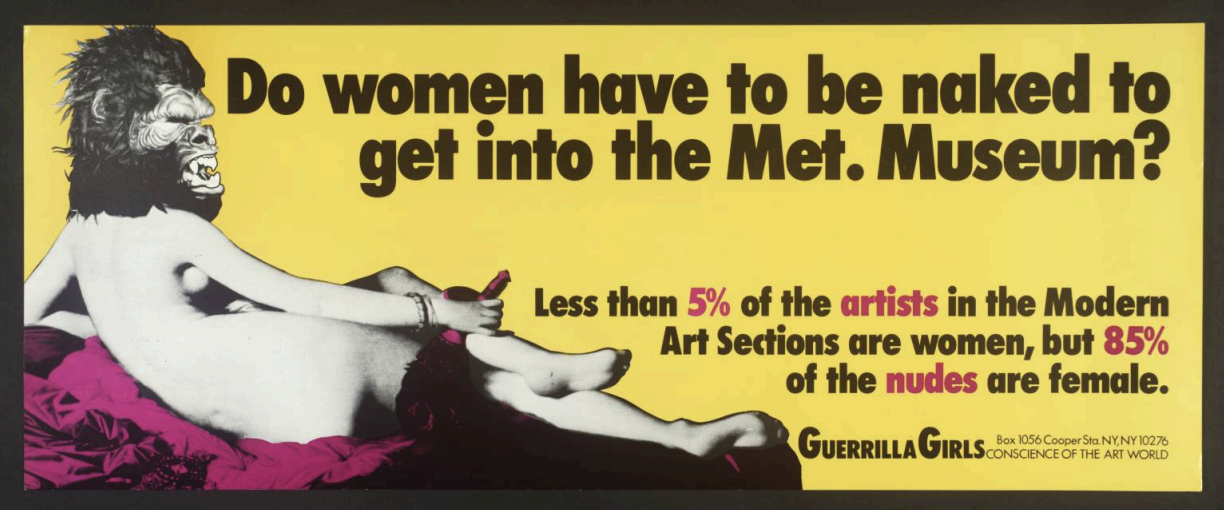
"Arthropology" (as I like to call it) is crucial to understand the world around us. One of the key tenets of art anthropology is the idea of cultural relativism. This is the idea that art and culture should be understood and judged within the context of the society that produced them. This means that the values and beliefs of a particular culture should not be imposed on the art and culture of another society if you're trying to understand the latter. In simple words, what may be art in one culture may not be art in another. For example, a Western art critic may not understand the significance of a specific ritual mask used in a tribal ceremony in Africa; however, an art anthropologist would approach the mask with an understanding of its cultural context, examining its function, symbolism, and significance within the tribe. This helps us understand the functioning of culture throughout different eras and in different places all over the world. Another concept in art anthropology is the idea that art is not simply a reflection of society, but also a tool that can be used to shape and mold it. This is because art has the ability to communicate ideas and beliefs, and can be used to challenge or reinforce cultural norms. For example, it has always fascinated me how the cave paintings of prehistoric societies provide insight into the beliefs and values of those cultures, while contemporary street art can be used to challenge political systems or spark social change. Movements of art like Expressionism (1905–1920) (where art portrays distorted reality to convey artists' inner feelings or ideas) are closely associated with the development of the intertwining between art and human expression. An example of expressionism is the painting "Woman with a Bag" by Karl Schmidt-Rottluff. In many cultures, art has also been used as a form of protest, with artists creating works that challenge social norms and political systems. This can be seen in the work of the Guerrilla Girls, a collective of feminist artists who use their work to critique gender inequality and discrimination.
Learning how art and anthropology cross paths is important to me because it offers a unique perspective on the relationship between art and society. As a designer and a people person, I am always looking for ways to better understand the cultural context in which my work is created and consumed. By studying more about art anthropology, I have learned about the ways in which art can be used to challenge or reinforce cultural norms, and how the cultural values and beliefs of society can shape and be shaped by art. Additionally, studying art anthropology has also broadened my understanding of the diverse ways in which art is created and consumed around the world, which has inspired me to incorporate new techniques and ideas into my own work. Hence, appreciation of art through the lens of anthropology can serve as a very useful tool for people interested in art and cultures as a whole.